A heavy set of keys rests on a weathered wooden table, passed silently from father to daughter as they gaze through the window at the snow-dusted peaks of the Pleney. No words are needed. This moment isn’t about transactions or square meters-it’s the quiet transfer of a mountain legacy. For families drawn to the French Alps, buying a ski chalet in Morzineoften represents more than a real estate decision. It’s the creation of a generational anchor, a place where memories are carved into every season. But to ensure this heritage stands firm-emotionally and financially-understanding the true value of a chalet is non-negotiable. It’s the first, most critical step in turning aspiration into lasting security.
The Strategic Importance of Morzine Ski Chalet for Sale Value
When families set their sights on Morzine, they’re not just investing in property-they’re investing in continuity. The decision to purchase a chalet here is often driven by emotion, but its long-term success hinges on precision. A misjudged valuation can ripple through decades, affecting not only initial equity but also future resale potential and rental income. Overpaying by even 15-20% can delay breakeven by years, especially if market conditions shift. That’s why establishing an accurate baseline value isn’t a formality-it’s the foundation of responsible ownership.
Many families find that buying a ski chalet in Morzine is the most reliable way to secure a mountain legacy for the next generation. But sentiment must be balanced with strategy. The most enduring legacies are built on sound financial footing. Local expertise plays a pivotal role here. National real estate trends mean little in a valley where a five-minute walk to the lift can justify a €300,000 premium. Only professionals with deep roots in the Portes du Soleil can interpret these nuances-understanding how plot orientation, historical pricing, and seasonal demand intersect.
Preserving Family Wealth Through Accurate Valuation
Inheritance planning often includes alpine property, but without a clear valuation, what’s meant to strengthen a family’s financial position can inadvertently weaken it. An overvalued purchase eats into liquidity, limits future flexibility, and may force owners to rent out their chalet more than desired just to cover costs. Conversely, a fair valuation protects capital and allows for strategic reinvestment-like funding renovations that enhance both comfort and market appeal. The goal isn’t just to own, but to own wisely.
Anticipating the Resale Market and Demand Shifts
The alpine real estate market isn’t static. Shifts in tourism patterns, climate variability, and even evolving buyer preferences-such as demand for energy-efficient builds-can influence value. Properties situated within the Portes du Soleil network benefit from long-term stability thanks to their scale and international recognition. But within that ecosystem, some areas appreciate faster. Chalets with direct access to multiple resorts, or those in villages undergoing quiet repositioning, often outperform. Buyers who understand current trends today position themselves advantageously tomorrow.
Comparative Criteria for Luxury Mountain Estates
Not all chalets are created equal-even within the same village. The final price reflects a complex blend of tangible and intangible factors. Two properties of identical size can command vastly different values based on location, craftsmanship, and income potential. Scrutinizing these elements isn’t just due diligence; it’s how discerning buyers identify hidden value.
Location and Plot Exclusivity
Proximity to the slopes remains a top driver of value. A ski-in/ski-out chalet doesn’t just offer convenience-it delivers a lifestyle. These properties are rare, especially when they also face south for maximum sunlight. Equally valuable are plots with development rights. In Morzine, where construction is tightly regulated, the ability to expand or build anew on a titled plot can double a property’s long-term potential. Even land with panoramic views but no immediate buildability holds strategic worth-it’s a blank canvas in a region where space is at a premium.
Building Quality and Savoyard Authenticity
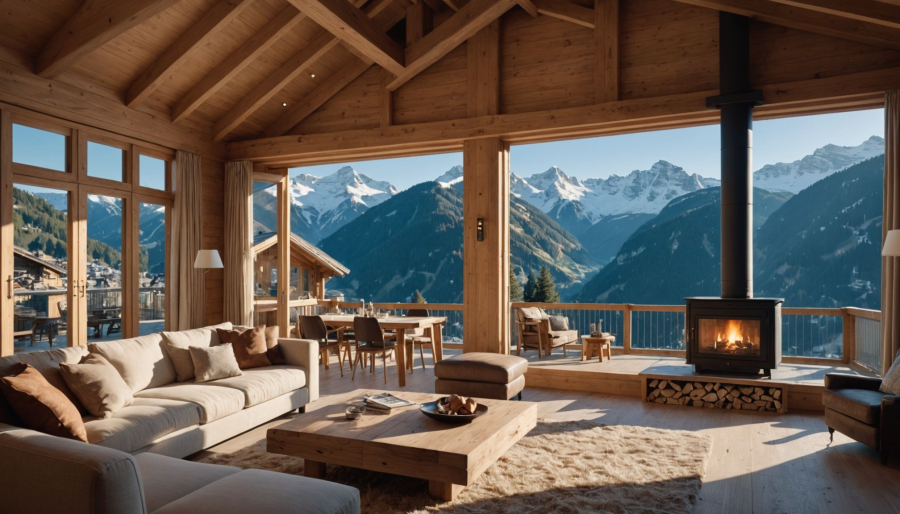
Luxury in the Alps isn’t defined by modern minimalism alone. Buyers increasingly seek authenticity-thick wooden beams aged to a warm patina, stone fireplaces, and traditional joinery. These features aren’t just aesthetic; they signal durability and craftsmanship. High-end renovations that preserve Savoyard architectural integrity while integrating modern insulation and smart-home systems tend to attract premium offers. Materials matter: reclaimed larch, natural slate, and hand-forged metalwork add both character and perceived value. A chalet built to last centuries, not decades, commands a different price bracket.
Rental Yield Potential vs. Private Use
Most luxury chalets serve dual purposes: private retreat and income generator. The balance between these roles shapes valuation. A chalet designed with flexible layouts-such as lock-off apartments or separate guest wings-can be rented out during peak seasons while preserving privacy for owners. Annual rental yields in Morzine typically range from 3% to 6% for high-end properties, but the best-performing units exceed this by catering to luxury short-term markets. Location, design, and management quality are decisive. A poorly managed but well-located chalet may underperform, while a modestly positioned one with exceptional interiors and service can thrive.
| Type of Property | Price per m² (€) | Avg. Rental Yield | Long-Term Appreciation |
|---|---|---|---|
| Renovated Traditional Chalet | 8,000 - 14,000 | 3.5% - 5% | Steady, 2-4% annually |
| New Build (Luxury Spec) | 10,000 - 18,000 | 4% - 6% | High initial jump, then stabilize |
| Buildable Plot (Ski-In/Out) | 1,500 - 3,000 (land only) | N/A (pre-construction) | Very high, especially if rare location |
Key Steps to Validate Your Investment Choice
Purchasing a chalet in Morzine is a significant commitment, and skipping critical checks can lead to costly surprises. Beyond the emotional appeal, a structured validation process ensures the property aligns with both lifestyle goals and financial expectations. This isn’t about suspicion-it’s about clarity.
Due Diligence and Local Regulations
French property law requires thorough verification, especially in protected mountain zones. The Plan Local d'Urbanisme (PLU) is essential-it outlines what can be built, modified, or expanded on the land. Overlooking this can mean buying a chalet you can’t renovate. Equally important are energy performance diagnostics. With France pushing for low-energy buildings (BBC or RT2012 standards), older chalets may require costly upgrades. These aren’t just compliance issues-they directly impact future resale value and operating costs.
Assessing Hidden Costs and Maintenance History
A beautifully presented interior can mask underlying issues. Heating systems in alpine homes work harder than most-annual servicing and boiler age matter. Roof integrity, snow load capacity, and drainage are critical in heavy snowfall zones. Requesting maintenance logs gives insight into how well the property has been cared for. A chalet with consistent upkeep is often worth more than a seemingly flawless one with no records. Also, consider ongoing costs: property tax, insurance, and concierge or cleaning services during off-seasons. These can add €10,000-€20,000 annually depending on size and location.
- Recent energy performance certificate (DPE)
- Historical rental income records (if applicable)
- Full maintenance and renovation logs
- Urban planning certificate (certificat d'urbanisme)
- Land registry extract (état hypothécaire)
The Most Common Questions
What is the alternative to buying a full chalet if the budget is tighter?
High-end duplex apartments in prime areas offer a compelling alternative. Many luxury residences in Morzine feature ski-in/ski-out access, concierge services, and shared amenities like spas and pools. These units often require less maintenance and can still deliver solid rental yields. For families seeking a foothold in the market, they represent a strategic entry point without compromising on location or quality.
What happens after the purchase regarding property management?
Most owners rely on local property management services. These teams handle everything from guest check-ins and cleaning to winterization, heating control, and minor repairs. Some also manage rental bookings and marketing. Choosing a reputable agency ensures the chalet remains in top condition and maximizes rental income when unoccupied. It’s a practical solution for international buyers who can’t be on-site year-round.
Is early autumn a better timing for viewings than the peak winter season?
Yes, early autumn offers distinct advantages. Without snow cover, you can inspect the land, drainage, and building exterior more thoroughly. Roof conditions, foundation stability, and garden layout are easier to assess. The village is quieter, allowing for more focused visits. While winter lets you experience ski access firsthand, autumn provides a clearer technical picture-making it ideal for serious buyers conducting due diligence.
How does ownership structure affect taxes and inheritance?
Foreign buyers often set up a SCI (Société Civile Immobilière) to hold the property, which can simplify inheritance and offer some tax planning benefits. However, French succession laws are strict, especially for EU residents. It’s wise to consult a notaire and tax advisor early to structure ownership in a way that aligns with both French law and your family’s goals. Getting this right from the start avoids complications down the line.
Can a chalet be rented out year-round, or is winter the only profitable season?
While winter drives the highest demand, Morzine has grown as a summer destination. Hiking, mountain biking, and wellness tourism attract visitors from June to September. Well-located chalets with outdoor spaces, Wi-Fi, and modern comforts can achieve 60-70% occupancy in summer. Diversifying rental strategies across seasons improves annual yield and spreads income more evenly, reducing reliance on a single peak period.
